Overview
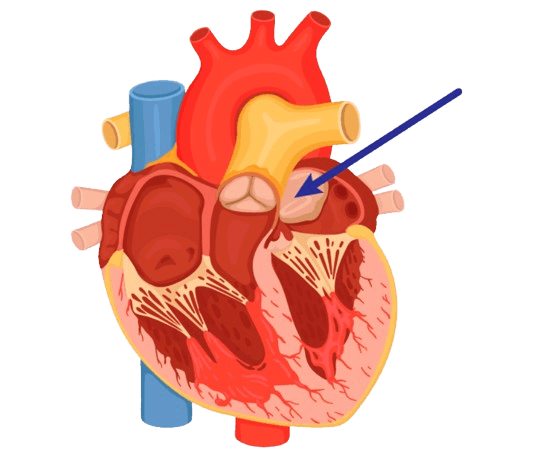
A cardiac tumor is a rare but serious condition that develops in or around the heart. These tumors can be benign (non-cancerous) or malignant (cancerous), and both types may interfere with the heart’s ability to pump blood effectively. Although rare, cardiac tumors can cause life-threatening complications if left untreated. With advancements in cardiac surgery and imaging, early detection and treatment have significantly improved patient outcomes.
Types of Cardiac Tumors
Cardiac tumors are broadly classified into two categories:
- Primary Cardiac Tumors – These originate within the heart. The most common benign type is myxoma, often found in the left atrium. Other benign tumors include fibromas, lipomas, and rhabdomyomas. Malignant primary tumors, such as angiosarcoma, are extremely rare.
- Secondary Cardiac Tumors – These occur when cancer from another part of the body spreads (metastasizes) to the heart. Secondary tumors are far more common than primary ones and may arise from lung cancer, breast cancer, kidney cancer, or melanoma.
Causes and Risk Factors
The exact cause of cardiac tumors remains unclear. However, several risk factors increase the likelihood of developing them:
- Genetic predisposition (e.g., Carney complex in myxomas).
- Weakened immune system.
- Existing cancers that metastasize to the heart.
- Congenital conditions in children such as rhabdomyomas associated with tuberous sclerosis.
Symptoms of Cardiac Tumors
Symptoms vary depending on the tumor’s size, location, and type. In some cases, patients may remain asymptomatic until the tumor grows significantly. Common symptoms include:
- Shortness of breath, especially while lying down.
- Chest pain or discomfort.
- Palpitations or irregular heartbeat.
- Fainting spells (syncope).
- Swelling in the legs or abdomen.
- Stroke-like symptoms due to embolization (when fragments of the tumor break off and block blood flow).
Diagnosis of Cardiac Tumors
Early diagnosis is crucial to prevent severe complications. Doctors use a combination of clinical evaluation and advanced imaging tests:
- Echocardiogram (Echo): The first-line test to visualize the tumor.
- Cardiac MRI or CT Scan: Provides detailed imaging of the tumor’s structure.
- Electrocardiogram (ECG): Helps detect arrhythmias.
- Biopsy: In select cases, a biopsy may confirm the tumor type.
Treatment Options for Cardiac Tumors
Treatment depends on whether the tumor is benign or malignant.
- Surgical Removal – Surgery is the gold standard for most primary benign cardiac tumors, especially myxomas. Complete removal usually prevents recurrence.
- Medication – Used to manage symptoms like arrhythmias, fluid buildup, or pain.
- Chemotherapy and Radiation Therapy – Typically recommended for malignant or metastatic tumors.
- Heart Transplant – In rare cases where the tumor cannot be surgically removed and heart function is severely compromised.
Why Choose CureU Healthcare?
At CureU Healthcare Services, we connect patients with top cardiac hospitals and renowned specialists in India. Our services include:
- Expert guidance from initial consultation to post-treatment recovery.
- Transparent cost estimation.
- Assistance with medical visas, travel, and accommodation.
- Comprehensive care tailored to international patients.
Conclusion
Although rare, cardiac tumors can pose serious risks to heart health if untreated. Early diagnosis and timely intervention are key to successful outcomes. With advanced cardiac surgery options available in India, supported by CureU Healthcare Services, patients worldwide can access safe, affordable, and effective treatment for cardiac tumors.