Overview
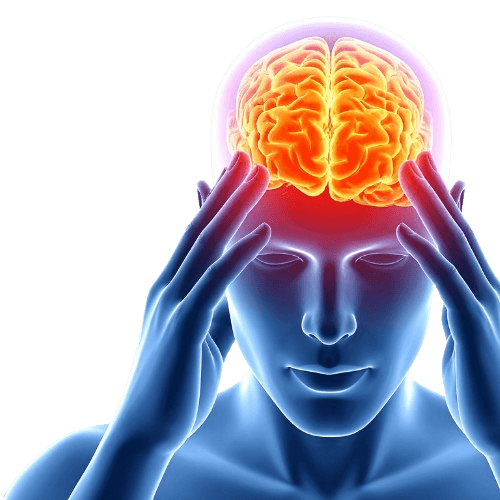
A Brain Haemorrhage occurs when bleeding happens inside or around the brain tissue due to ruptured blood vessels.
This leads to increased pressure on the brain, damaging nerve cells and disrupting function.
It is a medical emergency that requires immediate attention to prevent lasting neurological deficits or death.
Overview And Clinical Background
Understanding Brain Bleeding
Brain Haemorrhage can occur within the brain (intracerebral) or in surrounding spaces (subarachnoid, subdural, epidural).
The bleeding may result from high blood pressure, trauma, aneurysm, or blood disorders.
- Mechanism:: Rupture of blood vessels causes pressure buildup, tissue swelling, and oxygen loss to brain cells.
- Most cases are linked to uncontrolled hypertension or head injury.
- Emergency factor:: Rapid diagnosis and intervention are vital for survival and recovery.
Symptoms, Signs And Presentation
Symptoms depend on bleeding site and volume.
Patients may deteriorate quickly, so recognizing signs early saves lives.
- Common symptom:: Sudden severe headache, nausea, or vomiting.
- Weakness, confusion, or difficulty speaking.
- Red flag:: Loss of consciousness or seizure — requires emergency medical care.
Diagnosis Methods And Investigations
Imaging And Clinical Evaluation
Quick imaging is the cornerstone of diagnosis.
Doctors assess the location, size, and cause of the bleed before deciding on intervention.
- Imaging:: CT scan identifies active bleeding; MRI shows surrounding tissue damage.
- Lab tests:: Blood clotting profile helps identify underlying bleeding disorders.
- Angiography detects aneurysms or vascular malformations causing haemorrhage.
Treatment Options And Surgical Techniques
Management depends on bleed type, size, and patient condition.
Immediate stabilization and control of bleeding are top priorities.
- Conservative:: Blood pressure control, ICU monitoring, and supportive care in mild cases.
- Minimally invasive options:: Endovascular coiling or embolization for aneurysm-related bleeds.
- Surgical evacuation or decompressive craniectomy in large or life-threatening haemorrhages.
Recovery, Risks And Prognosis
Recovery varies depending on the bleed’s severity and location.
Rehabilitation with physiotherapy and speech therapy helps regain lost functions.
Early intervention greatly improves survival.
Why Choose Us
CureU Healthcare’s Neurocritical Care team provides 24x7 emergency response for brain haemorrhages.
Using advanced imaging, minimally invasive surgery, and rehabilitation, we ensure comprehensive treatment from crisis to recovery.
Conclusion
Brain Haemorrhage is life-threatening but treatable with prompt care.
At CureU Healthcare, we combine expertise and technology to give patients the best chance at full recovery.