Overview
Blood clots are formed when the inside of blood vessels obstructs the blood flow. This is generally a natural response in the healing process that prevents bleeding. However, this can be a life-threatening condition if not treated.
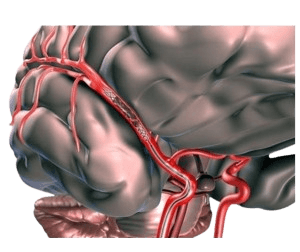
A blood clot in the brain develops when the blood vessel becomes obstructed, blocked, or ruptured, which disrupts the flow of oxygen and nutrients in the brain. Consequently, this can be severe in the case of damage to brain cells, stroke, or sometimes death. Moreover, this can cause serious complications if not noticed, such as seizures or paralysis. On the other hand, while some patients experience mild symptoms, it is important to understand the risks and symptoms of blood clots, as they are essential to require medical treatment. Therefore, consult a doctor if you notice any signs or symptoms, as it is crucial to seek treatment promptly.
Types of blood clots
There are typically two types of blood clots in the brain. Thrombosis and embolism. Let's explore these types in detail:
- Thrombosis: Thrombosis is a formation of a blood clot within a blood vessel when it turns out to be damaged and filled with blood. This can lead to trauma or other serious complications. These blood clots stay in place and remain at the location where they are formed.
- Embolism: This condition happens when an artery is blocked by alternate material such as blood clot, clotting material or even tissue. These blood clots travel from their natural and original place to another part of the body like the brain, where it can cause a blockage.
Symptoms of blood clots in the brain
A blood clot in the brain can cause disruption in the flow of oxygen and nutrients, this condition can cause life threatening conditions. Seeking medical attention on time can reduce the risk and can help in relieving symptoms. Here some common symptoms of blood clots in the brain include:
- Intense and repeated headaches: Continuous headache that can't be controlled can be a symptom and a warning sign. In fact if you are in your comfort position and not physically active you can feel pain and discomfort in the head. Unexpected headache and numbness in the face and body is one of the signs that clarifies a blood clot in the brain.
- Speech problems like slurring: A blood clot can empty the brain oxygen leading to damage that affects speech. This might be causing slower or slurred speech that found it difficult to communicate. This is also a symptom of blood clot in the brain.
- Blurry vision: Blurred or unclear vision is also a sign of blood clot in the brain. Oxygen deprivation in the brain can obstruct a normal vision process that can make it look hazy or fuzzy.
- Uncontrollable motor function: As the brain supports more damage, it can create uncontrollable movements such as shaking or tremors. This can be worse if the blockage becomes worse.
- Seizure: A developing blood clot can trigger seizure. This can become severe in many cases that may be brief in the initial stage.
- Dizziness: Oxygen deprivation in the brain results in dizziness or lightheadedness. Sometimes people may experience fainting as well.
- Paralysis: As the blood clots becomes large, it may lead to paralysis. This depends on the clot's location in the brain. Paralysis can affect different parts of the body.
Cost of blood clots in the brain in India
The cost of blood clots in the brain in India is affordable and cheaper than other nations. Moreover, the treatment is vast and complex, and it needs immediate medical attention once diagnosed. Hospitals in India are available 24*7 for providing medical care to the patients. However, the total cost of the treatment may vary depending upon various factors, such as the type of surgery, experience of the surgery, location of the hospital, and more.
Summary
Blood clots are formed when the inside of blood vessels obstructs the blood flow. This is generally a natural response in the healing process that prevents bleeding.
A blood clot in the brain develops when the blood vessel becomes obstructed, blocked, or ruptured, which disrupts the flow of oxygen and nutrients in the brain.

B.U.M.S, M.D. (NAT) | Reg No. 9153 | Ex. Secretary & Treasurer, N.I.M.A.
Qualified healthcare professional in Unani and Naturopathic medicine with deep expertise in traditional healthcare systems, patient-centered clinical care, and medical content review.