
Overview
The heart’s aortic valve plays a crucial role in regulating blood flow from the heart to the rest of the body. When this valve becomes narrowed due to aortic stenosis, the heart has to work harder to pump blood, leading to fatigue, chest pain, breathlessness, or even heart failure.
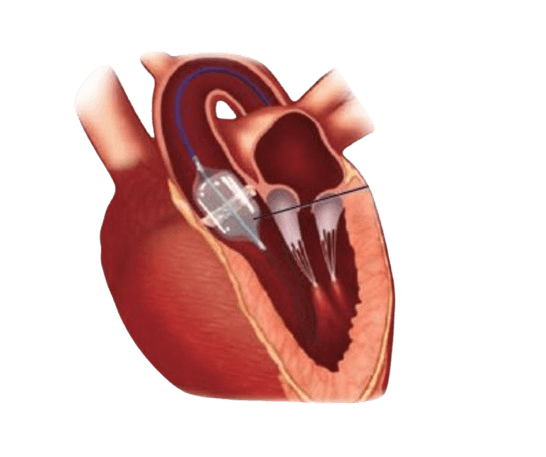
Balloon Aortic Valvuloplasty (BAV) is a minimally invasive procedure designed to widen the narrowed aortic valve opening. By inserting a special balloon catheter and inflating it at the site of the valve, doctors can improve blood flow, reduce symptoms, and enhance a patient’s quality of life.
Why is Balloon Aortic Valvuloplasty Needed?
Balloon Aortic Valvuloplasty is typically performed when patients have severe aortic stenosis but are not suitable candidates for open-heart surgery or Transcatheter Aortic Valve Replacement (TAVR). It may be recommended for:
- Patients too weak or high-risk for valve replacement surgery
- Children or young adults with congenital aortic valve narrowing
- Patients needing urgent symptom relief before a more permanent procedure (bridge therapy)
- Patients with multiple health conditions that make open surgery unsafe
Symptoms of Severe Aortic Valve Narrowing
Patients who require this procedure usually show one or more of the following signs:
- Shortness of breath, especially during physical activity
- Chest pain or pressure (angina)
- Fainting spells or dizziness
- Fatigue and reduced ability to exercise
- Swelling in ankles or feet
- Irregular heartbeat (arrhythmia)
How is the Procedure Performed?
Balloon Aortic Valvuloplasty is performed in a cardiac catheterization laboratory under local anesthesia and mild sedation. The steps include:
- A catheter with a balloon tip is inserted through a blood vessel in the groin or arm.
- It is guided carefully to the narrowed aortic valve using X-ray imaging.
- Once positioned, the balloon is inflated to stretch the valve leaflets apart.
- This widens the valve opening, improving blood flow.
- The balloon and catheter are then removed.
Benefits of Balloon Aortic Valvuloplasty
- Immediate improvement in blood circulation
- Relief from chest pain, breathlessness, and fatigue
- Minimally invasive with faster recovery compared to open surgery
- Often used as a bridge therapy before valve replacement
- Useful for children and young adults with congenital valve problems
Risks and Limitations
Like any medical procedure, BAV has some potential risks, including bleeding, stroke, valve leakage, or re-narrowing of the valve (restenosis). The improvement is often temporary, especially in elderly patients, and many will eventually require aortic valve replacement or TAVR.
Recovery and Aftercare
Most patients recover quickly and can resume light activities within a few days. To ensure the best outcomes, doctors may advise:
- Regular follow-up check-ups
- Heart-healthy diet and exercise as per medical advice
- Avoiding smoking and alcohol
- Medications to manage blood pressure, cholesterol, or arrhythmias
Conclusion
Balloon Aortic Valvuloplasty offers hope for patients with severe aortic stenosis who are not eligible for open-heart surgery. While it may not be a permanent solution in all cases, it significantly improves quality of life, reduces symptoms, and acts as a bridge to more advanced treatments.
At CureU Healthcare Services, we connect patients with leading cardiologists and top hospitals in India to ensure safe, effective, and affordable cardiac care.

B.U.M.S, M.D. (NAT) | Reg No. 9153 | Ex. Secretary & Treasurer, N.I.M.A.
Qualified healthcare professional in Unani and Naturopathic medicine with deep expertise in traditional healthcare systems, patient-centered clinical care, and medical content review.