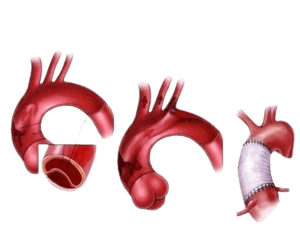
Overview
Aortic dissection repair surgery is a critical cardiovascular procedure performed to treat a tear in the inner layer of the aorta, the body’s main artery. This life threatening condition can disrupt blood flow, damage major organs, and lead to fatal complications if not treated urgently. The surgery focuses on repairing the damaged section of the aorta, restoring stable circulation, and preventing rupture or further progression of the dissection. Modern surgical techniques and specialized cardiac care have significantly improved survival outcomes and long term recovery for patients with acute and chronic aortic dissections.
Key Clinical Highlights
- Advanced Aortic Reconstruction: Specialized graft repair techniques help restore structural stability of the damaged aorta.
- Emergency Cardiac Expertise: Dedicated cardiovascular teams provide rapid intervention for life threatening dissections.
- Hybrid Surgical Approaches: Modern centers combine open and endovascular methods for improved precision and recovery.
When to Consider
Aortic dissection repair surgery is recommended for patients diagnosed with acute or chronic aortic dissection, severe chest or back pain caused by aortic tearing, uncontrolled hypertension with aortic complications, or evidence of compromised blood flow to organs. Emergency surgery is often necessary for Type A dissections involving the ascending aorta because delayed treatment can rapidly become fatal. The procedure may also be considered in patients with connective tissue disorders, enlarging aortic damage, or complications such as aortic leakage and vessel rupture.
Prevent Aortic Rupture and Organ Damage
The surgery stabilizes the torn aorta, restores safe blood flow, and reduces the risk of fatal bleeding and major organ complications.
- Life Saving Treatment: Urgent repair lowers the risk of sudden aortic rupture and cardiovascular collapse.
- Improves Circulation: Restores stable blood supply to the brain, kidneys, and other vital organs.
- Long Term Vascular Stability: Helps prevent future aortic enlargement and related complications.
Symptoms and Indications
- Severe Chest Pain: Sudden tearing or sharp chest pain is a common warning sign.
- Back Pain: Pain spreading to the upper back may occur as the dissection progresses.
- Shortness of Breath: Reduced circulation and heart strain can affect breathing.
- Fainting or Weakness: Poor blood flow to the brain may cause dizziness or collapse.
Types of Aortic Dissection Repair Surgery
Open Aortic Repair
Traditional surgical repair involving replacement of the damaged aortic segment with a graft.
- Ascending Aorta Repair: Performed for Type A dissections affecting the ascending aorta.
- Arch Reconstruction: Repair involving the aortic arch and nearby blood vessels.
Endovascular Aortic Repair
Minimally invasive repair using catheter based stent graft technology.
- TEVAR: Thoracic endovascular repair used for selected descending aortic dissections.
Pre-Procedure Preparation
- Emergency Imaging: CT angiography and cardiac imaging confirm the extent of dissection.
- Blood Pressure Control: Medications stabilize circulation before surgery.
- Cardiac Evaluation: Heart and organ function are assessed before intervention.
- ICU Preparation: Critical care monitoring is arranged before the operation.
Treatment Stages
- Emergency Assessment (Day 1): Urgent imaging and cardiovascular stabilization
- Admission (Day 1): ICU preparation and surgical planning
- Surgery (Week 1): Aortic dissection repair procedure
- Recovery (Week 2): ICU monitoring and rehabilitation
Recovery Guidelines
- Monitor Blood Pressure: Strict blood pressure control is essential after surgery.
- Gradual Physical Activity: Recovery exercises should increase slowly under supervision.
- Heart Healthy Lifestyle: Healthy diet and smoking cessation support vascular healing.
- Attend Follow Ups: Regular imaging helps monitor aortic stability long term.
Life After Treatment
- Many patients regain stable circulation and improved daily function after recovery.
- Long term follow up helps maintain aortic health and reduce future complications.
- Lifestyle management and medication adherence are important after surgery.
Timely aortic repair can dramatically improve survival and long term cardiovascular stability.
Potential Risks
- Bleeding: Major vascular surgery carries a risk of bleeding during or after the procedure.
- Stroke: Changes in blood flow during surgery may rarely affect brain circulation.
- Organ Complications: Kidney or lung complications can occur in complex cardiovascular cases.
Cost Estimation in India
Estimated procedure package range: $9,000 to $18,000 USD.
Package Inclusions:
- Cardiac and vascular evaluation
- Aortic repair surgery
- ICU and hospital stay
- Surgeon and anesthesia charges
Global Cost Comparison
- USA: $85,000 USD
- UK: $60,000 USD
- Germany: $55,000 USD
- Thailand: $28,000 USD
- India: $15,000 USD