Overview
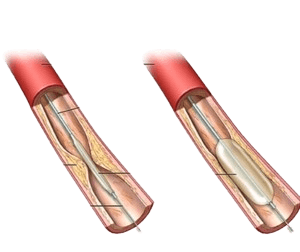
Angioplasty and stent placement is an advanced minimally invasive cardiac procedure used to restore blood flow in narrowed or blocked coronary arteries. The treatment involves opening the affected artery with a specialized balloon catheter and placing a stent to maintain long term vessel patency. It is widely performed for patients with coronary artery disease, chest pain, reduced heart circulation, or heart attack risk, helping improve heart function, relieve symptoms, and significantly reduce future cardiac complications.
Key Clinical Highlights
- Minimally Invasive Access: Procedure is performed through a small catheter entry without large surgical incisions.
- Rapid Blood Flow Restoration: Quickly improves circulation to the heart muscle and reduces cardiac damage risk.
- Advanced Stent Technology: Modern drug eluting stents help reduce artery re narrowing and improve long term outcomes.
When to Consider
Angioplasty and stent placement is recommended for patients experiencing significant coronary artery blockage, persistent chest pain, reduced blood supply to the heart, shortness of breath during activity, or acute heart attack. It is considered when medications and lifestyle changes are insufficient to control symptoms or when diagnostic angiography confirms severe arterial narrowing. The procedure is also advised in emergency cardiac situations where rapid restoration of blood circulation is critical to prevent heart muscle damage.
Restore Healthy Coronary Blood Flow
The procedure improves circulation in blocked heart arteries, relieves symptoms of coronary artery disease, and lowers the risk of serious cardiac events including heart attack.
- Chest Pain Relief: Improves oxygen supply to the heart and reduces angina symptoms.
- Prevents Heart Damage: Rapid blood flow restoration helps minimize heart muscle injury during blockage.
- Enhanced Daily Function: Improves stamina, breathing comfort, and physical activity tolerance.
Symptoms and Indications
- Chest Pain: Pressure or discomfort in the chest due to reduced heart blood supply.
- Shortness of Breath: Difficulty breathing during activity or physical exertion.
- Fatigue: Reduced energy levels caused by poor heart circulation.
- Heart Attack Symptoms: Sudden chest heaviness, sweating, nausea, or radiating arm pain.
Types of Angioplasty and Stent Placement
Balloon Angioplasty
A balloon catheter is used to widen the narrowed coronary artery and restore circulation.
- Plain Balloon Angioplasty: Uses balloon dilation without permanent stent placement.
Stent Assisted Angioplasty
A stent is implanted after artery widening to maintain long term blood flow.
- Drug Eluting Stent: Releases medication gradually to reduce the risk of artery blockage recurrence.
- Bare Metal Stent: Provides mechanical support to keep the artery open without medication coating.
Pre-Procedure Preparation
- Cardiac Imaging: Angiography and heart evaluation identify blocked arteries.
- Blood Tests: Routine investigations assess overall cardiac health.
- Medication Adjustment: Blood thinning and diabetes medications may be modified.
- Fasting: Patients avoid eating before the procedure.
Treatment Stages
- Pre Arrival (Day 1): Cardiac consultation and report review
- Admission (Week 1): Heart tests and angiography preparation
- Procedure (Week 2): Angioplasty and stent placement
- Recovery (Day 5): Monitoring and discharge planning
Recovery Guidelines
- Avoid Heavy Activity: Limit strenuous activity for the initial recovery period.
- Take Medications Regularly: Blood thinners and cardiac medicines are essential after stent placement.
- Healthy Lifestyle: Maintain heart healthy diet and regular exercise routine.
- Attend Follow Ups: Routine cardiac reviews monitor recovery and stent function.
Life After Treatment
- Most patients resume normal routine within one to two weeks.
- Improved circulation helps reduce chest pain and breathlessness.
- Long term heart health improves with medications and lifestyle changes.
Modern angioplasty restores blood flow efficiently while supporting faster cardiac recovery.
Potential Risks
- Bleeding: Minor bleeding or bruising may occur at the catheter insertion site.
- Restenosis: In some cases the artery may narrow again over time.
- Blood Clots: Rare clot formation inside the stent may require urgent treatment.
Cost Estimation in India
Estimated procedure package range: $2,500 to $6,500 USD.
Package Inclusions:
- Cardiac evaluation and imaging
- Angioplasty procedure
- Stent placement
- Hospital stay and monitoring
Global Cost Comparison
- USA: $40,000 USD
- UK: $28,000 USD
- Germany: $22,000 USD
- Thailand: $12,000 USD
- India: $5,000 USD