
Cardiology
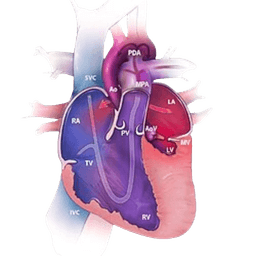
Hypoplastic Left Heart Syndrome (HLHS)
Hypoplastic Left Heart Syndrome is a rare congenital defect where the left side of the heart is underdeveloped, requiring staged surgeries for survival and.
Cardiology
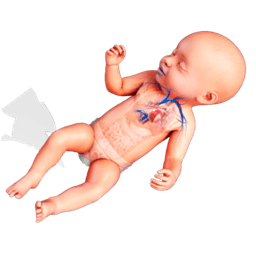
Pediatric Congestive Heart Failure
Pediatric congestive heart failure is the inability of a child’s heart to pump enough blood to meet body demands, managed through medicines, interventions, or.
Cardiology
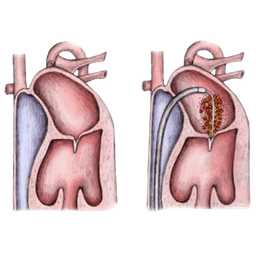
Percutaneous Transvenous Mitral Commissurotomy-PTMC
PTMC is a minimally invasive procedure that opens a narrowed mitral valve to improve blood flow and heart function.
Cardiology
Radiofrequency Ablation-RFA
RFA uses heat energy to correct abnormal heart rhythms, offering a safe, minimally invasive cure for arrhythmias.
Cardiology
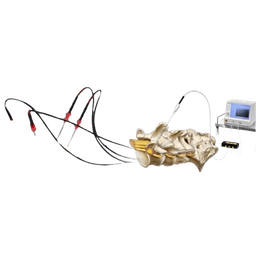
Radiofrequency Ablation
Radiofrequency Ablation restores normal heart rhythm by removing abnormal electrical pathways through heat energy.
Cardiology
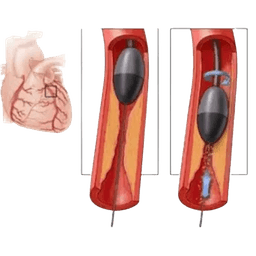
Rotablation Guided Stenting
Rotablation-guided stenting uses a high-speed device to clear hard plaque before placing a stent, restoring smooth blood flow.
Cardiology
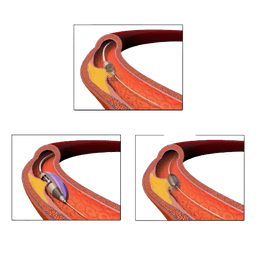
Rotational Atherectomy
Rotational Atherectomy removes calcified plaque using a spinning burr, improving stent placement and coronary blood flow.
Cardiology
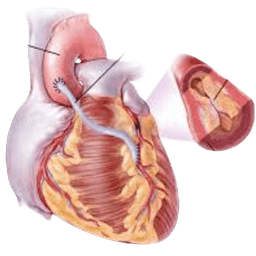
Thallium Test- Nuclear Stress Test
The Thallium Test evaluates blood flow to the heart using nuclear imaging to detect blockages or poor circulation.
Cardiology
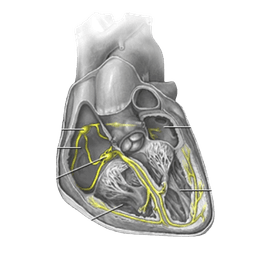
Intracardiac Electrophysiology Study (EPS)
An Intracardiac Electrophysiology Study (EPS) evaluates the heart’s electrical system to diagnose abnormal rhythms and guide treatment decisions.

Cardiology
Nuclear Stress Test
A Nuclear Stress Test evaluates blood flow to the heart during exercise or medication-induced stress, helping detect coronary artery disease accurately.
