Overview
Vertebroplasty and Kyphoplasty are minimally invasive spine procedures designed to treat vertebral compression fractures, often caused by osteoporosis or trauma.
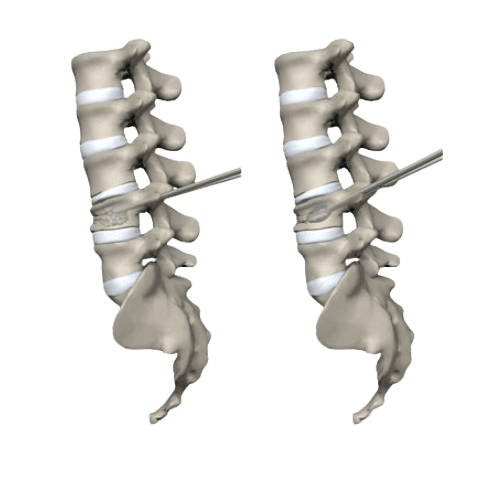
Vertebroplasty involves injecting bone cement directly into the fractured vertebra to stabilize it. Kyphoplasty includes the use of a balloon to restore vertebral height before cement injection, which can also help correct spinal deformity.
Indications and Patient Assessment
These procedures are recommended for patients with painful vertebral compression fractures unresponsive to conservative treatment. Imaging like X-ray, CT, or MRI guides planning.
- Osteoporotic vertebral compression fractures causing severe pain
- Traumatic vertebral fractures: Fractures due to accidents or falls
- Spinal deformities requiring height restoration or stabilization
Procedure and Surgical Technique
Under local or general anesthesia, a needle is inserted into the vertebral body. For Kyphoplasty, a balloon is inflated to restore height, followed by cement injection to stabilize the bone.
Recovery and Postoperative Care
Patients typically recover quickly, often within a day. Pain relief is immediate in many cases, and gradual return to activity is encouraged. Follow-up imaging ensures proper cement placement.
Benefits and Expected Outcomes
These procedures reduce pain, restore vertebral height (Kyphoplasty), prevent further collapse, and improve mobility. They are minimally invasive, reducing hospital stay and recovery time.