
Overview
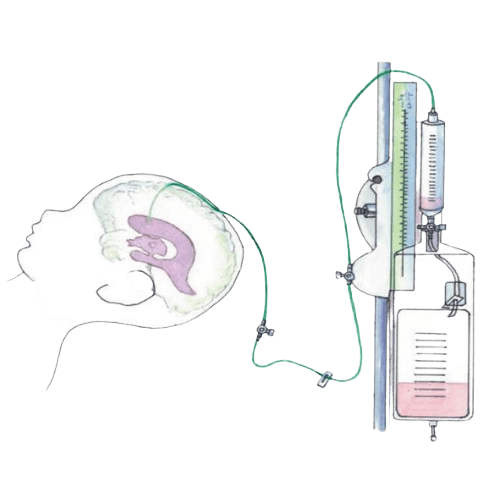
Ventriculostomy is a surgical procedure that involves creating a small opening in the brain’s ventricular system to drain excess cerebrospinal fluid (CSF).
It is commonly performed to treat hydrocephalus, elevated intracranial pressure, or to administer medication directly into the ventricles. The procedure provides rapid relief and can be life-saving in emergencies.
Indications and Clinical Applications
Ventriculostomy is indicated for hydrocephalus, traumatic brain injury, intracranial hemorrhage, or obstructive CSF conditions. Preoperative imaging ensures accurate placement.
- Acute hydrocephalus causing increased intracranial pressure
- Intracranial hemorrhage: Drains blood-contaminated CSF
- Administration of medications directly into ventricles
Procedure and Technique
A catheter is inserted into the lateral ventricle through a small burr hole in the skull. CSF is drained externally or directed to a shunt system if permanent drainage is required.
Postoperative Management and Monitoring
Patients are closely monitored for intracranial pressure, infection, and neurological function. Imaging confirms catheter placement and drainage effectiveness.
Outcomes and Risks
Ventriculostomy provides immediate pressure relief and symptom improvement. Risks include infection, bleeding, catheter blockage, or over-drainage.

B.U.M.S, M.D. (NAT) | Reg No. 9153 | Ex. Secretary & Treasurer, N.I.M.A.
Qualified healthcare professional in Unani and Naturopathic medicine with deep expertise in traditional healthcare systems, patient-centered clinical care, and medical content review.