Overview
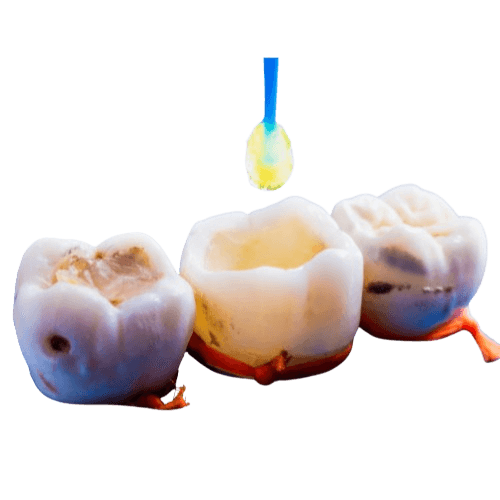
Tooth-colored fillings, also known as composite or white fillings, are a modern dental solution designed to restore decayed, cracked, or chipped teeth while maintaining a natural look.
Made from a blend of tooth-colored resin and fine glass particles, they bond directly to the enamel and dentin for a durable and aesthetic restoration.
Unlike traditional silver fillings, they seamlessly match your tooth shade, preserving your smile’s appearance and structural integrity.
Overview And Clinical Background
Aesthetic Restorative Dentistry
Tooth-colored fillings are used to treat cavities and minor fractures with a composite resin that mimics the natural tooth structure.
They restore the tooth’s shape and function while blending perfectly with your existing enamel.
- Material composition:: Made from advanced resin composites mixed with glass or quartz filler, offering strength, translucency, and stain resistance for long-term use.
- Minimally invasive — less tooth removal compared to metal fillings, preserving more natural enamel.
- Bonding process:: A special adhesive ensures the material adheres securely to the tooth, sealing it against further decay.
Symptoms, Signs And Presentation
You may need a tooth-colored filling if you notice sensitivity, mild discomfort, or visible pits on the tooth surface.
Early detection prevents deeper decay and the need for root canal treatment.
- Common symptom:: Tooth sensitivity to sweets, cold, or heat that indicates enamel breakdown.
- Discoloration or dark spots appearing on the surface of teeth.
- Red flag:: Persistent pain when chewing or biting may mean deeper infection requiring urgent care.
Diagnosis Methods And Investigations
Clinical And Radiographic Assessment
Diagnosis involves both visual and radiographic examination to determine cavity depth and tooth integrity.
Dentists assess enamel damage and plan minimally invasive restoration.
- Imaging:: X-rays help evaluate the extent of decay and ensure no underlying infection.
- Lab tests:: Not typically required, though sensitivity tests may confirm pulp health.
- Clinical inspection determines if the tooth can be restored with composite or requires further intervention.
Treatment Options And Surgical Techniques
The filling process is simple and performed in a single visit.
After removing decayed tissue, the dentist applies the resin in layers and cures it with a special light to harden and seal the surface.
- Conservative:: Used for small to moderate cavities, restoring tooth structure without affecting surrounding enamel.
- Minimally invasive options:: Laser-assisted cleaning and bonding for enhanced precision and reduced discomfort.
- Extensive decay may require additional restoration such as onlays or crowns for long-term protection.
Recovery, Risks And Prognosis
Patients can resume normal eating within a few hours. Mild sensitivity to temperature may last a few days.
Composite fillings typically last 7–10 years with good oral hygiene and regular checkups.
Why Choose Us
CureU Healthcare offers precision-driven cosmetic dentistry with advanced bonding materials and digital shade matching.
Our dental experts ensure seamless, durable, and natural restorations with patient comfort as top priority.
Conclusion
Tooth-colored fillings provide a strong, aesthetic solution for repairing cavities.
They protect your teeth, enhance your smile, and help you maintain long-term oral health.