Overview
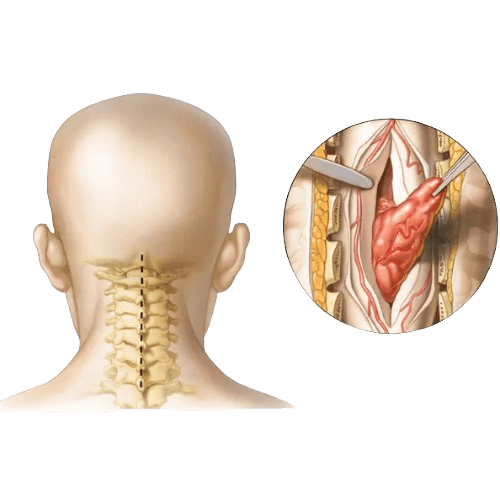
Spine Tumor Surgery involves removing primary or metastatic tumors from the spinal column to prevent neurological deficits, relieve pain, and restore stability.
Careful preoperative planning, imaging, and collaboration with oncology specialists ensure safe resection while preserving spinal cord function.
Types of Spinal Tumors and Symptoms
Tumors may be primary (originating in the spine) or metastatic. Symptoms include back pain, weakness, sensory changes, and bladder/bowel dysfunction.
- Vertebral body tumors causing structural instability
- Epidural tumors: Compress spinal cord or nerve roots
- Intramedullary tumors within the spinal cord itself
Surgical Planning and Approach
Approach depends on tumor location, size, and involvement of neural structures. Techniques may involve laminectomy, fusion, or minimally invasive resection.
Postoperative Care and Recovery
Patients require monitoring for neurological function, pain management, and rehabilitation. Coordination with oncology ensures comprehensive care if adjuvant therapy is needed.
Outcomes and Prognosis
Early and precise surgery improves neurological outcomes, pain relief, and quality of life. Long-term prognosis depends on tumor type, extent, and adjunct therapies.

B.U.M.S, M.D. (NAT) | Reg No. 9153 | Ex. Secretary & Treasurer, N.I.M.A.
Qualified healthcare professional in Unani and Naturopathic medicine with deep expertise in traditional healthcare systems, patient-centered clinical care, and medical content review.