Overview
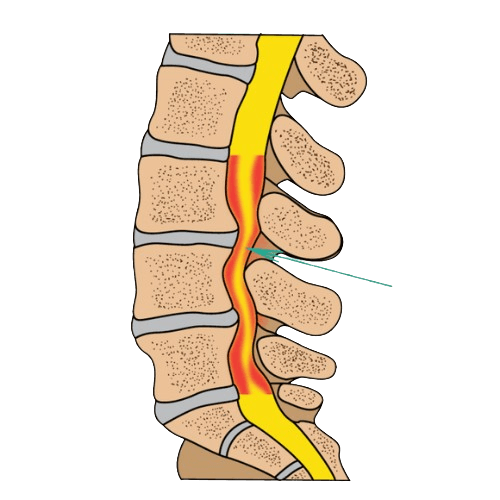
Spinal Stenosis refers to the narrowing of the spinal canal, which can compress nerves and lead to pain, numbness, or weakness.
Surgery involves decompressing the spinal cord or nerves to relieve symptoms and restore function. Timely intervention prevents progressive neurological damage and improves quality of life.
Symptoms and Indications for Surgery
Patients often experience leg or arm pain, weakness, numbness, and difficulty walking. Surgery is recommended when symptoms persist despite conservative management.
- Neurogenic claudication causing walking difficulty
- Radicular pain: Pain radiating to arms or legs due to nerve compression
- Loss of balance or coordination in severe cases
Surgical Approaches and Techniques
Techniques include laminectomy, laminotomy, or minimally invasive decompression. The approach depends on the location and severity of stenosis.
Recovery and Rehabilitation
Postoperative care involves pain management, gradual mobilization, and physiotherapy to strengthen muscles and improve function.
Expected Outcomes and Complications
Most patients experience relief from pain and improved mobility. Complications are uncommon but may include infection, bleeding, or nerve irritation.