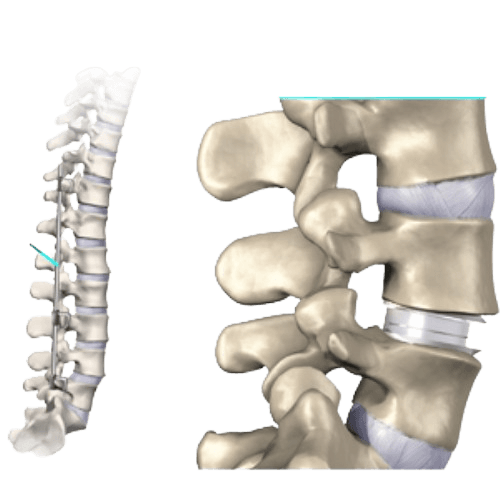
Overview
Spinal Instrumentation involves using medical implants such as rods, screws, plates, and cages to stabilize the spine during corrective or fusion procedures.
These devices provide structural support, restore alignment, and protect neural structures during healing. Instrumentation is commonly combined with fusion or deformity correction surgeries.
Indications and Clinical Applications
Instrumentation is applied in cases of instability, fractures, scoliosis, or tumors. Preoperative imaging ensures precise planning and implant placement.
- Spinal deformities requiring stabilization
- Traumatic spinal injuries: Fractures or dislocations needing immediate support
- Tumor resections where vertebrae are compromised
Surgical Techniques and Implant Selection
Surgeons choose implants based on spinal region, patient anatomy, and surgical goal. Modern instrumentation allows minimally invasive placement and improved safety.
Recovery and Postoperative Management
Patients require monitoring for implant integrity and neural function. Early mobilization and physical therapy improve outcomes.
Benefits and Outcomes
Instrumentation provides immediate stability, corrects alignment, reduces risk of neurological damage, and supports long-term spinal health.