Overview
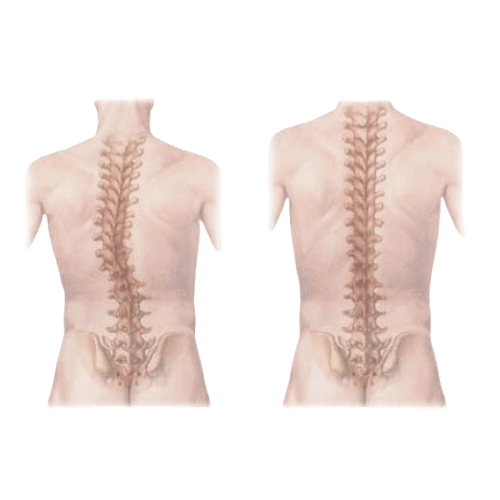
Spinal Deformity Correction Surgery is performed to correct abnormal curvatures of the spine such as scoliosis or kyphosis.
The procedure involves realigning the vertebrae, often using rods, screws, and other instrumentation, to restore proper posture and prevent progression of the deformity. Early intervention improves long-term functional outcomes.
Indications and Patient Evaluation for Surgery
Surgery is considered when spinal deformities cause pain, neurological symptoms, or risk of progression. Comprehensive evaluation includes imaging and physical assessment.
- Progressive scoliosis with curvature beyond 40–50 degrees
- Kyphotic deformity: Significant forward curvature causing pain or functional limitation
- Neurological deficits due to spinal cord compression
Surgical Techniques and Approach
Techniques include posterior, anterior, or combined approaches depending on deformity type and severity. Modern instrumentation allows precise correction with minimal complications.
Recovery and Postoperative Rehabilitation
Recovery involves gradual mobilization, pain management, and physiotherapy. Bracing may be required, and full functional improvement can take several months.
Expected Outcomes and Complications
Most patients experience improved posture, reduced pain, and prevention of deformity progression. Complications are rare but can include infection, hardware issues, or temporary neurological symptoms.

B.U.M.S, M.D. (NAT) | Reg No. 9153 | Ex. Secretary & Treasurer, N.I.M.A.
Qualified healthcare professional in Unani and Naturopathic medicine with deep expertise in traditional healthcare systems, patient-centered clinical care, and medical content review.