Overview
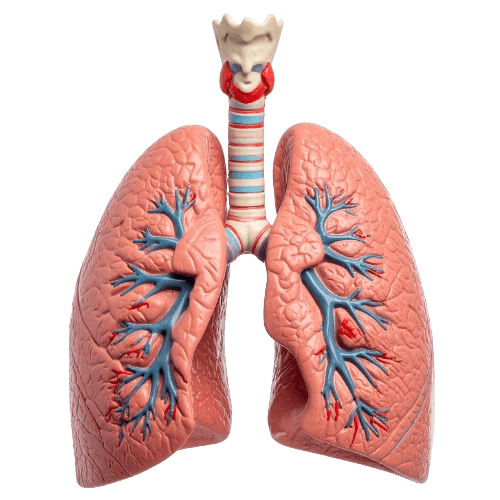
Lung transplantation is a surgical option for patients with end-stage lung disease or severe respiratory failure unresponsive to medical therapy.
Healthy donor lungs are transplanted to restore oxygenation and pulmonary function.
This procedure improves physical endurance, daily activity, and overall survival while requiring careful monitoring and immunosuppressive therapy.
Overview And Clinical Background
Lung transplant replaces one or both diseased lungs with donor lungs.
Indications include COPD, pulmonary fibrosis, cystic fibrosis, or pulmonary hypertension.
Modern transplantation techniques and immunosuppression have significantly improved survival and quality of life.
- Indications:: Severe irreversible lung disease unresponsive to medical or surgical management.
- Donor lungs may come from deceased donors; matching ensures compatibility.
- Surgical goal:: Restore lung function, oxygenation, and exercise tolerance.
Symptoms, Signs And Presentation
Patients may present with severe shortness of breath, chronic cough, fatigue, and low oxygen saturation.
Progressive symptoms indicate consideration for lung transplantation.
- Common symptoms:: Dyspnea on exertion, chronic cough, wheezing, fatigue, and frequent infections.
- Decreased exercise tolerance and reduced quality of life.
- Red flag:: Respiratory failure or recurrent hospitalizations requiring ventilatory support.
Diagnosis Methods And Investigations
Pulmonary Evaluation And Donor Matching
Pre-transplant assessment includes lung function tests, imaging, lab tests, and donor matching.
Functional and structural evaluations ensure suitability and surgical safety.
- Pulmonary tests:: Spirometry, diffusion capacity, and arterial blood gas analysis.
- Imaging:: CT scan or chest X-ray to evaluate lung anatomy and pathology.
- Lab tests including blood type, crossmatch, and infection screening.
Treatment Options And Surgical Techniques
Lung transplantation is performed under general anesthesia.
Single or double lung transplantation may be performed depending on disease severity and patient condition.
- Medical optimization:: Maximal medical therapy prior to transplantation to stabilize pulmonary function.
- Surgical transplant:: Removal of diseased lung(s) and implantation of donor lung(s) with vascular and bronchial anastomosis.
- Post-op immunosuppressive therapy is essential to prevent organ rejection.
Recovery, Risks And Prognosis
Recovery involves ICU monitoring, gradual mobilization, and pulmonary rehabilitation.
Risks include infection, rejection, bleeding, or complications from medications.
Long-term outcomes depend on adherence to follow-up and immunosuppressive therapy.
Why Choose Us
CureU Healthcare provides specialized transplant surgeons, advanced ICU support, and comprehensive post-transplant care to maximize lung transplant success.
Our multidisciplinary approach ensures optimal functional recovery.
Conclusion
Lung transplantation restores breathing, physical capacity, and quality of life in patients with end-stage pulmonary disease.
Expert care ensures long-term function and improved well-being.