Overview
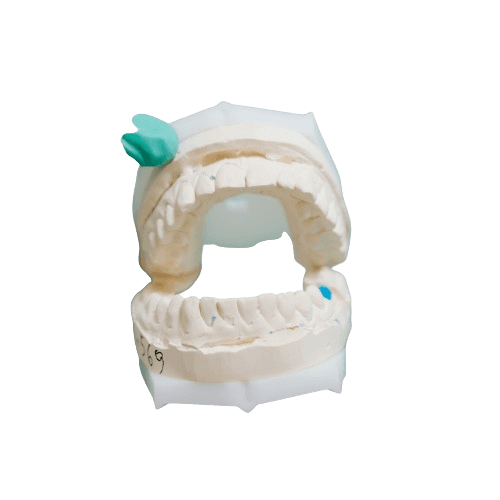
Dental sealants are a preventive dental treatment designed to protect the chewing surfaces of molars and premolars where grooves and fissures trap food and bacteria.
The dentist isolates and dries the tooth, etches the enamel surface lightly, and applies a flowable resin that bonds and hardens to form a durable, sealed layer.
By creating a smooth, easy-to-clean surface, sealants substantially lower the risk of pit-and-fissure cavities over many years, reducing the need for invasive restorations and preserving natural tooth structure.
Overview And Clinical Background
Why Seal Deep Grooves That Brush Can't Reach
Sealants fill the microscopic pits and fissures on posterior teeth that are especially vulnerable to decay because toothbrush bristles and saliva often fail to reach them.
They are a non-invasive, conservative preventive option commonly used in children and adolescents but equally useful for adults at high caries risk.
The goal is long-term prevention: by blocking bacterial colonization and acid attack in these vulnerable areas, sealants help maintain enamel integrity and avoid future restorative procedures.
- Indication:: Ideal for newly erupted permanent molars and premolars, for patients with deep occlusal anatomy, recurrent pit-and-fissure decay, or limited ability to maintain optimal oral hygiene; also useful as part of a caries management plan for high-risk adults.
- Material:: Typically composed of a resin-based, fluoride-releasing polymer that bonds to etched enamel and provides a durable barrier against food, plaque, and cariogenic bacteria while sometimes delivering low-level fluoride protection over time.
- Benefits:: Immediate reduction in decay risk on treated surfaces, avoidance of future fillings, cost-effectiveness as a preventive measure, and preservation of natural tooth tissue by preventing cavity formation in hard-to-clean grooves.
Symptoms, Signs And Presentation
Sealants are preventive rather than symptomatic treatment.
Candidates are identified by dental examination and risk assessment rather than pain or obvious decay; teeth with deep, stained fissures or a history of occlusal caries are prioritized.
Children with limited brushing habits, orthodontic appliances, or high sugar exposure benefit disproportionately from early sealing of susceptible teeth.
- Indication on exam:: Deep occlusal grooves, stained fissures, or signs of early enamel demineralization on molars and premolars when radiographs show no cavitation requiring restoration.
- Patient profile:: Children soon after eruption of permanent molars (around ages 6 and 12), adolescents with cariogenic diet or poor oral hygiene, and adults with a history of pit-and-fissure decay or xerostomia.
- Red flag:: Established cavitated lesions or restorations on the occlusal surface require operative treatment (filling or inlay) rather than sealant application; sealants are not a substitute for necessary restorative care.
Diagnosis Methods And Investigations
Clinical Risk Assessment And Imaging
Selection for sealant placement follows a targeted clinical exam supported by bitewing radiographs when indicated to rule out underlying proximal or occlusal cavitation.
Modern practice integrates individualized caries risk assessment so sealants are used where they will deliver the greatest preventive value.
- Clinical inspection:: Visual-tactile assessment of fissure depth, staining, and enamel integrity; careful drying of the tooth reveals occult pits suitable for sealing and identifies surfaces needing restorative treatment instead.
- Radiographic evaluation:: Bitewing radiographs or limited periapical imaging when clinical suspicion exists for subsurface decay beneath stained fissures to avoid placing a sealant over an existing lesion.
- Risk stratification:: Assessment of dietary habits, fluoride exposure, past caries experience, saliva flow, and oral hygiene practices to prioritize which teeth and which patients receive sealants as part of a comprehensive prevention plan.
Treatment Options And Surgical Techniques
Sealant placement is quick and conservative.
After cleaning and isolating the tooth, a mild acid etch is applied to roughen enamel microscopically, rinsed and dried, then the sealant resin is painted into fissures and light-cured.
In some protocols, a bonding agent is applied first to enhance retention; fluoride-releasing sealants are chosen for higher-risk patients.
- Standard technique:: Prophylactic cleaning, rubber-dam or cotton isolation, acid etching for 10–30 seconds depending on material, thorough drying, application of resin sealant, and polymerization with a curing light to create a durable seal.
- Adjunctive options:: Use of a bonding agent under the sealant in cases of suboptimal enamel quality, or glass ionomer sealants for patients with moisture-control challenges because they are more tolerant of a humid field and release fluoride.
- Maintenance protocol:: Sealants are checked at routine recalls for integrity; partial loss can be repaired or re-applied chairside with minimal intervention to restore optimal protection.
Recovery, Risks And Prognosis
There is no recovery time; patients can eat and drink immediately after placement.
Minor sensitivity is rare because the procedure is non-invasive.
Retention varies by technique and patient factors, but well-placed resin sealants often remain effective for several years and can be repaired if partially lost, maintaining strong long-term protection against occlusal decay.
- Immediate aftercare:: Avoid sticky or excessively hard foods for several hours if a protective temporary is used; otherwise routine eating and hygiene resume right away. Regular dental check-ups ensure early repair of any marginal breakdown.
- Potential issues:: Partial sealant loss, marginal staining, or rare placement over undetected cavitation are the main concerns—regular monitoring and selective reapplication mitigate these risks.
- Long-term outlook:: When combined with fluoride exposure and good oral hygiene, sealants significantly reduce the lifetime risk of occlusal cavities and the need for restorative treatment on treated surfaces.
Why Choose Us
CureU Healthcare applies evidence-based preventive dentistry with precise technique and patient education to maximize sealant longevity.
We tailor material choice and isolation technique to each child or adult’s needs and integrate sealants into individualized caries management plans that include fluoride therapy and dietary counseling.
- Skilled application:: Experienced clinicians and hygienists ensure optimal enamel preparation and moisture control for durable sealant bonding even in challenging clinical situations.
- Personalized prevention:: Sealants are offered as part of a comprehensive plan that includes fluoride, dietary advice, and recall scheduling tailored to caries risk.
- Rapid, painless care:: Non-invasive, quick procedures that reduce future treatment burden and preserve natural tooth structure for years to come.
Conclusion
Dental sealants are a simple, highly effective preventive tool to protect molars and premolars against pit-and-fissure decay.
When placed as part of a targeted prevention strategy and monitored regularly, sealants preserve enamel, reduce the need for fillings, and support lifelong oral health.

B.U.M.S, M.D. (NAT) | Reg No. 9153 | Ex. Secretary & Treasurer, N.I.M.A.
Qualified healthcare professional in Unani and Naturopathic medicine with deep expertise in traditional healthcare systems, patient-centered clinical care, and medical content review.