Overview
A dental crown (dental cap) is a custom-made restoration that fully encases a damaged, decayed, or cosmetically compromised tooth to restore strength, shape, and function.
Crowns are used when a tooth has lost significant structure after decay, fracture, or root canal treatment and when conservative fillings would not provide adequate protection.
Modern crown materials—porcelain, zirconia, metal-ceramic—offer excellent durability and aesthetics, allowing natural-looking restorations that blend with adjacent teeth.
Overview And Clinical Background
When A Tooth Needs Full Coverage
Crowns replace missing tooth structure and protect weakened teeth from further damage.
They restore occlusion, chewing efficiency, and smile aesthetics while preventing fracture of compromised teeth.
The choice of crown material is tailored to functional demands, location in the mouth, and patient preferences regarding appearance.
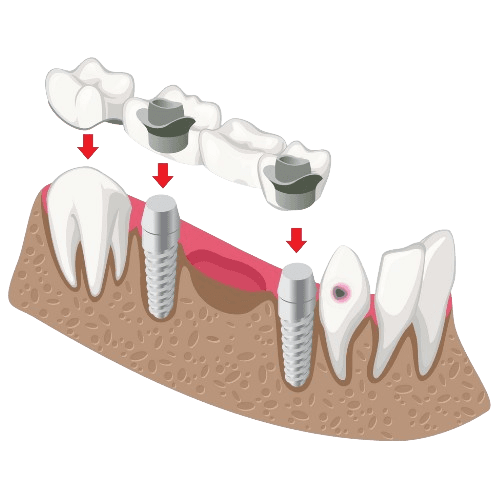
- Indications:: Large decay, fractured teeth, teeth after root canal therapy, severely worn teeth, or to support large bridges—crowns provide structural reinforcement and long-term protection.
- Material options:: All-ceramic (esthetic), porcelain-fused-to-metal (strength plus esthetics), and full-contour zirconia (high strength and good aesthetics) are selected based on clinical needs.
- Lifespan:: With good oral hygiene and regular dental care, crowns typically last 10–15 years or longer; wear and repair needs vary by material and bite forces.
Symptoms, Signs And Presentation
Patients needing crowns often report severe decay, fracture, sensitivity to hot/cold, or poor chewing ability.
Visually, crowns may be planned when tooth discoloration or misshapenness affects smile aesthetics and conservative options are insufficient.
- Common presentation:: Cracked or large-filled tooth with recurrent decay or structural weakness that risks fracture under normal chewing forces.
- Functional signs:: Difficulty chewing on a particular side, discomfort under biting pressure, or an old restoration failing at margins.
- Red flag:: Severe tooth pain with swelling may indicate infection requiring root canal therapy before crown placement.
Diagnosis Methods And Investigations
Clinical And Radiographic Assessment
Assessment includes clinical inspection, bite analysis, and radiographs to evaluate remaining tooth structure and root health.
Impressions or digital scans capture exact tooth geometry so the crown fits precisely and functions harmoniously with the bite.
- Radiographs:: Periapical and bitewing X-rays assess root health, bone level, and periapical conditions that affect restorative planning.
- Digital impressions:: Intraoral scanning provides highly accurate models for CAD/CAM fabrication and allows previewing esthetics before finalizing the restoration.
- Occlusal analysis:: Evaluating bite relationships ensures the crown restores correct occlusion and avoids high spots that can cause discomfort or fracture.
Treatment Options And Surgical Techniques
Crown preparation involves shaping the tooth, taking impressions, and placing a temporary crown while the final restoration is fabricated.
CAD/CAM technology allows single-visit crowns in many cases.
Cementation technique and material choice are critical for longevity and esthetic integration.
- Conservative:: When possible, onlays or partial crowns preserve more tooth structure; full crowns are used when extensive coverage is needed.
- Fabrication methods:: Traditional lab-fabricated crowns using pressed ceramics or modern CAD/CAM-milled zirconia/ceramic crowns that offer precise fit and strength.
- Cementation:: Selection of adhesive or conventional cement depends on crown material and tooth preparation—proper bonding reduces microleakage and extends lifespan.
Recovery, Risks And Prognosis
Most patients adapt to a crown within days.
Sensitivity may occur initially, and porcelain may chip under extreme forces.
Regular hygiene and occlusal checks minimize complications and ensure the crown functions for many years.
- Typical recovery:: Immediate return to normal activities; avoid very hard foods for 24–48 hours and maintain meticulous oral hygiene around the margin to prevent recurrent decay.
- Potential complications:: Sensitivity, marginal leakage causing recurrent decay, fracture of ceramic material, or need for endodontic retreatment if symptoms emerge.
- Maintenance:: Regular dental check-ups, good brushing and flossing, and night guards for bruxers safeguard the longevity of the crown.
Why Choose Us
CureU Healthcare provides precision crown work using digital scans, shade-matching technology, and skilled laboratory partners or in-house milling for consistent, esthetic results.
We plan restorations with a view to function, longevity, and natural appearance, and we offer personalized aftercare to protect your investment.
- Digital accuracy:: Intraoral scanning and CAD/CAM fabrication reduce fit errors and deliver predictable occlusion and contour.
- Esthetic expertise:: Shade-matching systems and layered ceramics produce lifelike results that blend seamlessly with adjacent teeth.
- Comprehensive care:: From endodontic support to prosthetic finishing and maintenance, our team delivers end-to-end restorative success.
Conclusion
Dental crowns restore strength, function, and aesthetics to compromised teeth and are a predictable long-term solution.
At CureU Healthcare, crowns are crafted with precision and care to help you chew comfortably and smile confidently.

B.U.M.S, M.D. (NAT) | Reg No. 9153 | Ex. Secretary & Treasurer, N.I.M.A.
Qualified healthcare professional in Unani and Naturopathic medicine with deep expertise in traditional healthcare systems, patient-centered clinical care, and medical content review.