
Overview
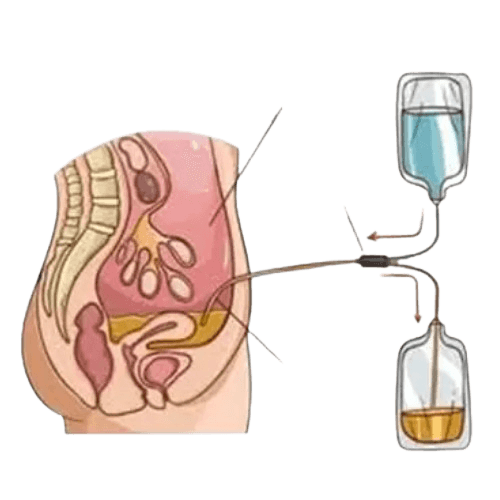
Continuous Ambulatory Peritoneal Dialysis (CAPD) is a manual, home-based dialysis procedure that filters waste and excess fluid from the blood using the lining of the abdomen as a natural filter.
Patients perform fluid exchanges multiple times a day, offering flexibility and independence compared to hospital-based dialysis.
CAPD provides steady toxin removal, maintaining a more stable fluid balance and lifestyle freedom.
Overview And Clinical Background
CAPD serves as a long-term renal replacement therapy for patients with chronic kidney disease.
It eliminates waste through peritoneal fluid exchange rather than a hemodialysis machine.
- Mechanism:: Dialysate fluid absorbs waste through the peritoneal membrane, later drained and replaced.
- Frequency:: Typically 3–5 exchanges per day.
- Key advantage:: Provides continuous clearance and can be done at home or work.
Symptoms, Signs And Presentation
CAPD is prescribed when kidneys can no longer efficiently filter waste, often due to end-stage renal disease.
It helps control uremic symptoms and fluid overload.
- Common symptoms:: Fatigue, nausea, swelling, or high creatinine levels.
- Purpose:: Maintain electrolyte balance and reduce toxin buildup.
- Preferred for:: Patients seeking independence or unsuitable for hemodialysis.
Diagnosis Methods And Investigations
Eligibility Evaluation
Before starting CAPD, kidney function tests and imaging are done to ensure abdominal health and absence of infection.
A small surgery is required to insert a catheter for fluid exchange.
- Tests performed:: Serum creatinine, urea, electrolytes, and peritoneal membrane evaluation.
- Catheter placement:: Performed under local anesthesia in a sterile setting.
- Follow-up check:: Regular peritoneal effluent analysis for infection control.
Treatment Options And Surgical Techniques
CAPD allows continuous clearance without machines.
The patient fills, dwells, and drains dialysate manually several times a day using gravity flow.
- Cycle:: Fill → Dwell → Drain sequence done 3–5 times daily.
- Hygiene:: Aseptic technique prevents peritonitis.
- Duration:: Each exchange takes about 30–40 minutes.
Recovery, Risks And Prognosis
CAPD is safe and effective but requires discipline in technique.
Possible risks include peritonitis, hernia, or catheter blockage.
With proper training, patients live full and active lives.
Why Choose Us
CureU Healthcare offers training and supervision for CAPD setup, ensuring safety, comfort, and continuous support for patients transitioning to home dialysis.
Conclusion
Continuous Ambulatory Peritoneal Dialysis empowers patients to manage kidney failure independently while maintaining better quality of life and stable health outcomes.

B.U.M.S, M.D. (NAT) | Reg No. 9153 | Ex. Secretary & Treasurer, N.I.M.A.
Qualified healthcare professional in Unani and Naturopathic medicine with deep expertise in traditional healthcare systems, patient-centered clinical care, and medical content review.