Overview
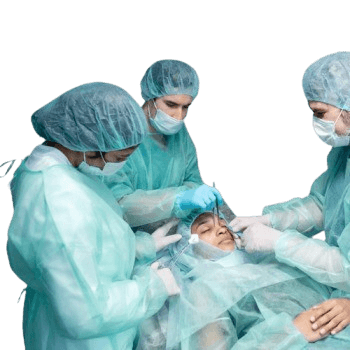
Cleft palate surgery corrects the opening in the roof of the mouth that occurs when palatal tissues fail to join during fetal development.
This defect affects feeding, speech, hearing, and dental development.
Surgical repair closes the gap, restores muscle function, and supports normal oral development. CureU Healthcare ensures comprehensive care with pediatric specialists for long-term speech and feeding success.
Overview And Clinical Background
Understanding Palate Repair
The palate plays a key role in speech, swallowing, and breathing.
A cleft palate disrupts these functions, making repair essential for proper growth.
The surgery aims to reconstruct the palate muscles and close the opening.
- Cause:: A combination of genetic predisposition and environmental factors contributes to cleft formation.
- Children may have difficulty feeding due to inability to create suction.
- Timing:: Palate surgery is often performed between 9–18 months to support speech development.
Symptoms, Signs And Presentation
Cleft palate is identified by an opening in the hard or soft palate.
Signs include feeding challenges, nasal regurgitation, and speech issues as the child grows.
- Presentation:: Visible gap in the palate or difficulty creating suction while feeding.
- Frequent ear infections due to middle-ear fluid buildup.
- Red flag:: Persistent nasal speech or hearing loss requires additional evaluation.
Diagnosis Methods And Investigations
Comprehensive Pediatric Evaluation
Diagnosis occurs at birth during physical examination.
Audiology tests, feeding assessments, and ENT evaluations help guide treatment.
- Imaging:: Not always required, though CT or MRI may be used for complex cases.
- Lab tests:: Routine pediatric testing ensures anesthesia safety.
- Speech and hearing assessments are vital before long-term treatment planning.
Treatment Options And Surgical Techniques
Cleft palate repair involves repositioning muscles and closing the tissue gap.
Techniques vary based on defect size and anatomy.
- Conservative:: Feeding devices support nutrition until surgery is possible.
- Minimally invasive options:: Soft palate-focused procedures minimize disruption and support early speech development.
- Traditional palatoplasty reconstructs muscles and closes the palate for long-term functional improvement.
Recovery, Risks And Prognosis
Recovery requires careful feeding modifications and regular follow-up.
Speech therapy and hearing checks are often needed.
Long-term outlook is excellent with coordinated care.
Why Choose Us
CureU Healthcare provides dedicated cleft care with pediatric surgeons, ENT specialists, speech therapists, and audiologists.
We ensure comprehensive healing and developmental support.
Conclusion
Cleft palate surgery transforms a child’s ability to eat, speak, and grow normally.
With experienced care, outcomes are life-changing and long-lasting.


