Overview
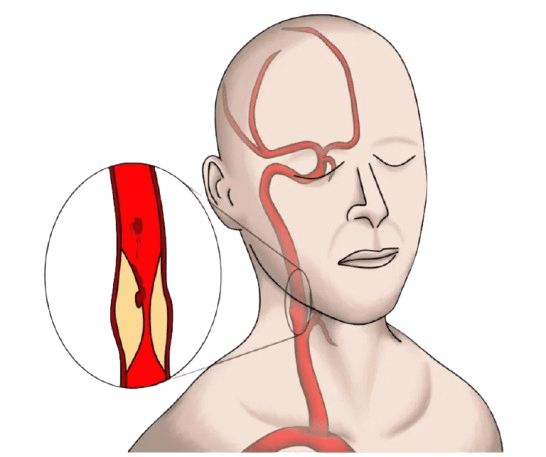
Carotid artery stenosis is a serious medical condition where the carotid arteries — the two major blood vessels on either side of the neck — become narrowed or blocked due to plaque buildup. Since these arteries are responsible for supplying oxygen-rich blood to the brain, any obstruction significantly increases the risk of stroke. Early diagnosis and timely treatment are crucial for preventing life-threatening complications.
What Causes Carotid Artery Stenosis?
The main cause of carotid artery stenosis is atherosclerosis, a condition in which fatty deposits (plaques) build up on the artery walls. Over time, these deposits harden, reduce blood flow, and may rupture, leading to blood clots that can cause a stroke.
Other contributing risk factors include:
- High blood pressure
- High cholesterol levels
- Smoking
- Diabetes
- Obesity and sedentary lifestyle
- Family history of cardiovascular disease
Symptoms of Carotid Artery Stenosis
In its early stages, carotid artery stenosis may not show noticeable symptoms. However, warning signs often appear as transient ischemic attacks (TIA), also known as “mini-strokes.” These temporary episodes mimic stroke symptoms but last only a few minutes or hours. Common symptoms include:
- Sudden numbness or weakness in the face, arms, or legs (usually on one side)
- Difficulty speaking or understanding speech
- Blurred or lost vision in one eye
- Dizziness or loss of balance
Diagnosis of Carotid Artery Stenosis
Doctors use several diagnostic methods to detect stenosis and evaluate its severity:
- Carotid Ultrasound: A painless imaging test that checks blood flow and plaque buildup.
- CT Angiography (CTA): Provides detailed images of the carotid arteries.
- Magnetic Resonance Angiography (MRA): Uses magnetic fields to visualize narrowed arteries.
- Cerebral Angiography: A more invasive but highly accurate test for evaluating arterial blockage.
Treatment Options for Carotid Artery Stenosis
The treatment depends on the severity of the blockage and the overall health of the patient.
Lifestyle Modifications
For patients with mild narrowing, lifestyle changes are often the first step:
- Quitting smoking
- Adopting a healthy diet
- Exercising regularly
- Managing blood pressure, diabetes, and cholesterol
Medications
Doctors may prescribe:
- Antiplatelet drugs (like aspirin) to reduce clot formation
- Statins to lower cholesterol
- Antihypertensives to control blood pressure
Surgical and Interventional Procedures
For severe cases (usually when narrowing exceeds 70%), procedures may include:
- Carotid Endarterectomy (CEA): A surgical procedure where the surgeon removes the plaque buildup from the artery.
- Carotid Angioplasty and Stenting (CAS): A minimally invasive procedure in which a balloon is used to widen the artery, followed by the placement of a stent to keep it open.
Preventing Carotid Artery Stenosis
Prevention is always better than cure. Adopting heart-healthy habits significantly reduces the risk:
- Eat a balanced diet low in saturated fats and sugar.
- Exercise at least 30 minutes daily.
- Get regular health checkups.
- Limit alcohol intake and avoid smoking.
Conclusion
Carotid artery stenosis is a silent but potentially life-threatening condition. Fortunately, with early diagnosis, effective treatment, and preventive care, the risks of stroke can be drastically reduced. At CureU Healthcare, we connect patients with top specialists and advanced medical centers to ensure timely and effective treatment.