Overview
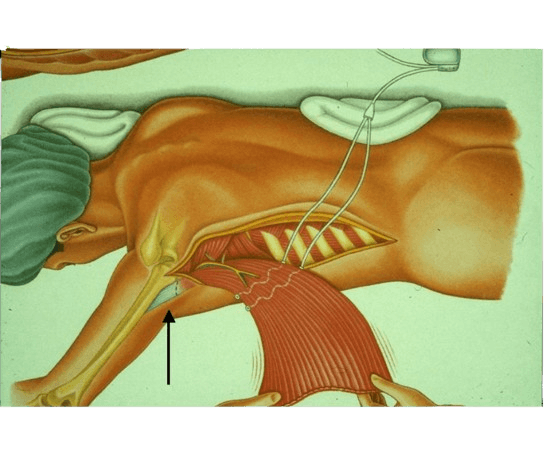
Cardiomyoplasty is a specialized surgical procedure developed to support patients with severe heart failure when conventional treatments are no longer effective. It involves using the patient’s own skeletal muscle—most commonly the latissimus dorsi muscle from the back—to wrap around the weakened heart. This muscle is then electrically stimulated to contract in synchrony with the heartbeat, thereby strengthening the pumping action.
While newer techniques such as ventricular assist devices (VADs) and heart transplantation have become more common, cardiomyoplasty remains an important milestone in cardiac surgery and may still offer benefits in select patients.
Why and When Cardiomyoplasty is Required
Cardiomyoplasty is considered for patients with:
- End-stage heart failure unresponsive to medications.
- Patients who are not suitable candidates for heart transplantation due to age, comorbidities, or lack of donor availability.
- Situations where mechanical support devices are not an option.
How Cardiomyoplasty Works
The procedure involves several steps:
- The latissimus dorsi muscle is surgically mobilized.
- The muscle is wrapped around the heart, particularly around the ventricles.
- A cardiomyostimulator device is implanted, similar to a pacemaker, which delivers electrical signals.
- With regular stimulation, the muscle contracts in coordination with the natural heartbeat, augmenting the heart’s pumping action.
Benefits of Cardiomyoplasty
Although cardiomyoplasty is less commonly performed today, it has demonstrated several advantages in specific cases:
- Enhances quality of life in patients with advanced heart failure.
- Provides symptomatic relief by improving cardiac performance.
- Utilizes the patient’s own muscle tissue, reducing the risk of immune rejection.
- Can be an option for those ineligible for transplant.
Risks and Limitations
Like any major cardiac surgery, cardiomyoplasty carries potential risks, including:
- Postoperative infection.
- Arrhythmias or irregular heart rhythms.
- Limited long-term effectiveness compared to modern options like LVADs or transplants.
- Prolonged recovery time.
Cost of Cardiomyoplasty in India
India is a leading destination for advanced cardiac surgeries due to its world-class hospitals, highly skilled surgeons, and affordable costs.
- The cost of cardiomyoplasty in India ranges from $9,000 to $15,000 USD, depending on the hospital, patient’s condition, and duration of stay.
- This includes surgery, hospitalization, investigations, and post-operative care.
- Compared to Western countries, the procedure in India can be 60–70% more cost-effective, without compromising on quality.
Conclusion
Cardiomyoplasty represents a pioneering approach in the evolution of surgical treatments for end-stage heart failure. While newer technologies have surpassed it in many cases, it remains a viable option for select patients who cannot undergo transplantation or device implantation. With India’s combination of medical expertise and cost-effectiveness, international patients can explore cardiomyoplasty as a potential treatment option through CureU Healthcare Services.