Overview
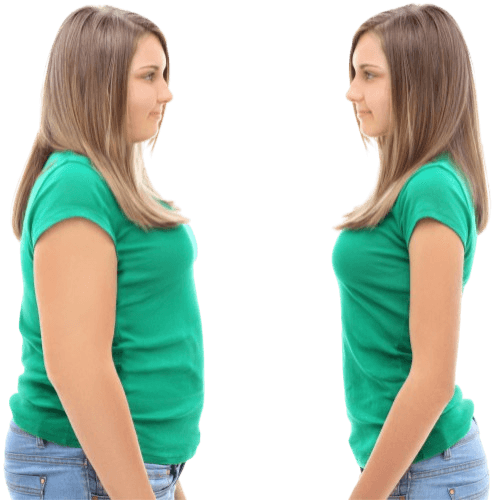
Body contouring is a tailored set of surgical procedures designed to remove excess skin and reshape body contours after major weight loss, pregnancy, or age-related laxity.
It addresses multiple regions—abdomen, thighs, arms, back, and buttocks—often in staged operations to balance safety and recovery.
The goal is to restore functional form, improve comfort, and create harmonized proportions so clothing fits better and movement becomes easier.
Overview And Clinical Background
Comprehensive Recontouring After Weight Loss
After substantial weight loss, skin and soft tissues often fail to retract, leaving large folds and hanging skin that impair hygiene, mobility, and aesthetics.
Body contouring takes a global approach to restore form by combining excisional procedures and liposuction where needed, prioritizing patient safety and realistic aesthetic goals.
- Indication:: Patients with stable weight after massive weight loss, symptomatic skin redundancy, or contour deformities affecting function and quality of life.
- Staged planning:: Procedures are commonly staged (e.g., lower body, upper body, arms) to limit operative time and improve recovery while achieving comprehensive results.
- Multimodal approach:: Combines excisional lifts, liposuction, and soft-tissue tightening to rebalance proportions and restore natural silhouettes.
Symptoms, Signs And Presentation
Typical concerns include large skin folds, persistent pannus, thigh chafing, and contour irregularities that restrict activity and cause recurrent skin problems.
Psychological distress and body-image dissatisfaction are also common drivers for surgery.
- Common complaints:: Excess skin causing discomfort, hygiene issues, rashes, or clothing fit problems; visible contour deformities when wearing normal clothing.
- Functional problems:: Restricted mobility, skin irritation in folds, and difficulty exercising or fitting garments comfortably.
- Red flag:: Active smoking, unstable weight, or untreated medical conditions that increase surgical risk and impair healing.
Diagnosis Methods And Investigations
Holistic Preoperative Assessment
Comprehensive evaluation includes medical optimization, nutritional review, psychosocial readiness, and 3D or photographic planning to map surgical stages.
Lab work and cardiac assessment are tailored to patient comorbidities to ensure safe anesthesia and recovery.
- Medical optimization:: Assess nutritional status, vitamin levels, glycemic control, and cessation of smoking to improve wound healing and reduce complications.
- Imaging and mapping:: Standardized photographs and sometimes 3D imaging guide incision placement and staging decisions to achieve balanced contours.
- Risk assessment:: Pre-op blood tests, ECG, and specialist clearance where required to minimize perioperative risks in patients with previous obesity-related comorbidities.
Treatment Options And Surgical Techniques
Body contouring is individualized: common procedures include abdominoplasty, belt lipectomy, thigh lift, brachioplasty, and buttock reshaping.
Surgeons use progressive tension sutures, drains, and meticulous layering to reduce complications and optimize contour.
- Conservative:: Non-surgical skin-tightening methods have limited benefit for large excess and are reserved for minor laxity or maintenance.
- Operative plan:: Staged excisional surgeries combining liposuction with formal lifts (lower body lift, thigh lift, brachioplasty) planned to balance operative time and recovery.
- Enhanced recovery:: ERAS protocols, thromboprophylaxis, and careful fluid and pain management reduce length of stay and speed functional recovery.
Recovery, Risks And Prognosis
Recovery is variable depending on extent; staged procedures shorten individual recovery phases but total recovery spans several months.
Risks include wound healing issues, seroma, infection, DVT, and contour asymmetry; these are mitigated by patient selection and perioperative protocols.
- Typical timeline:: Early mobilization within 24 hours, return to desk work in 2–4 weeks, progressive activity over 6–12 weeks, and scar maturation over 12 months.
- Common complications:: Seroma, delayed wound healing, hypertrophic scarring, and need for minor revisions in a small percentage of patients.
- Expected outcome:: Significant improvement in silhouette, mobility, and quality of life with durable results when weight is maintained.
Why Choose Us
CureU Healthcare provides multidisciplinary body-contouring care including nutritionists, physiotherapists, and experienced cosmetic surgeons.
We emphasize staged planning, ERAS pathways, and personalized rehabilitation to maximize safety and aesthetic harmony.
- Team approach:: Coordinated care with nutritionists, vascular medicine, and rehab specialists ensures optimal pre-op optimization and postoperative recovery.
- Safety protocols:: Evidence-based thromboprophylaxis, infection prevention, and enhanced recovery reduce complications and hospital stay.
- Aesthetic planning:: Individualized staging and 3D planning prioritize proportion and symmetry for natural, long-lasting results.
Conclusion
Body contouring after major weight change restores form, function, and confidence through carefully staged operations and multidisciplinary care.
With thorough planning and supportive follow-up, patients achieve meaningful, lasting improvements in body shape and daily comfort.

B.U.M.S, M.D. (NAT) | Reg No. 9153 | Ex. Secretary & Treasurer, N.I.M.A.
Qualified healthcare professional in Unani and Naturopathic medicine with deep expertise in traditional healthcare systems, patient-centered clinical care, and medical content review.