

Cardiology
Blalock-Taussig Shunt (BT Shunt)
The Blalock-Taussig shunt is a life-saving surgical procedure for congenital heart defects that improve blood flow to the lungs.

Cardiology
Coronary Angiogram
A coronary angiogram uses X-ray imaging to check the arteries supplying blood to your heart, crucial for detecting blockages.

Cardiology
Cardiac Resynchronization Therapy (CRT-D Implant)
CRT-D implant helps restore synchronized heartbeats in patients with heart failure, reducing symptoms and improving life expectancy.

Cardiology
ECG - Treadmill Test (TMT)
The Treadmill Test (TMT) evaluates how your heart performs under physical stress to detect coronary artery disease.

Cardiology
Electrophysiological Study (EPS)
EPS is a detailed test that maps the electrical signals in your heart to diagnose arrhythmias and guide treatment.

Cardiology
Fetal Echo
Fetal echocardiography is a detailed prenatal ultrasound that evaluates the unborn baby’s heart structure and rhythm, enabling early detection and management.

Cardiology
Glenn Procedure
The Glenn Procedure (superior cavopulmonary anastomosis) shunts venous blood directly to the lungs in single-ventricle patients, improving oxygenation as part.

Cardiology
Holter Monitoring (24 hours)
Holter monitoring provides continuous 24-hour ECG recording to detect intermittent arrhythmias, correlate symptoms with heart rhythm, and guide treatment.

Cardiology
HVAD (HeartWare Ventricular Assist Device)
HVAD is a mechanical heart pump that supports patients with advanced heart failure, improving blood circulation and quality of life while awaiting transplant.
Cardiology
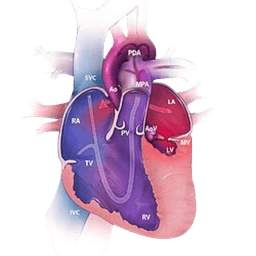
Hypoplastic Left Heart Syndrome (HLHS)
Hypoplastic Left Heart Syndrome is a rare congenital defect where the left side of the heart is underdeveloped, requiring staged surgeries for survival and.
Cardiology
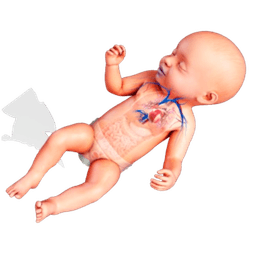
Pediatric Congestive Heart Failure
Pediatric congestive heart failure is the inability of a child’s heart to pump enough blood to meet body demands, managed through medicines, interventions, or.
Cardiology
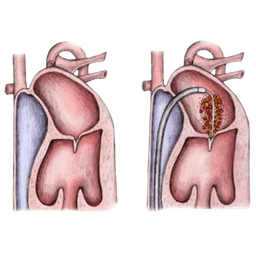
Percutaneous Transvenous Mitral Commissurotomy-PTMC
PTMC is a minimally invasive procedure that opens a narrowed mitral valve to improve blood flow and heart function.
Cardiology
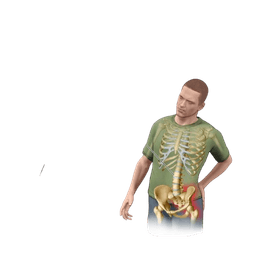
Radiofrequency Ablation-RFA
RFA uses heat energy to correct abnormal heart rhythms, offering a safe, minimally invasive cure for arrhythmias.
Cardiology
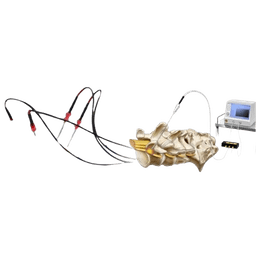
Radiofrequency Ablation
Radiofrequency Ablation restores normal heart rhythm by removing abnormal electrical pathways through heat energy.
Cardiology
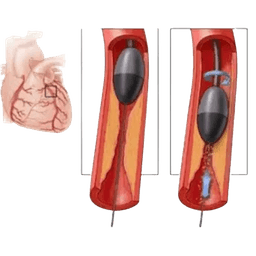
Rotablation Guided Stenting
Rotablation-guided stenting uses a high-speed device to clear hard plaque before placing a stent, restoring smooth blood flow.
Cardiology
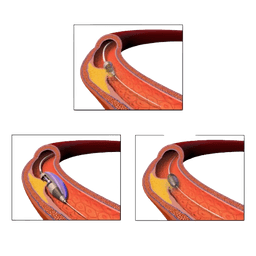
Rotational Atherectomy
Rotational Atherectomy removes calcified plaque using a spinning burr, improving stent placement and coronary blood flow.
Cardiology
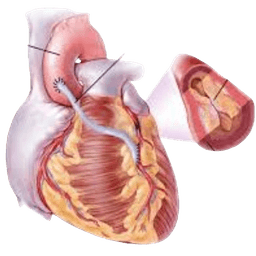
Thallium Test- Nuclear Stress Test
The Thallium Test evaluates blood flow to the heart using nuclear imaging to detect blockages or poor circulation.
Cardiology
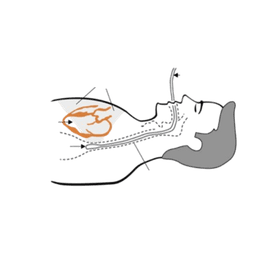
Transoesophageal Echocardiogram
A Transoesophageal Echocardiogram provides detailed ultrasound images of the heart using a probe inserted into the oesophagus, helping detect structural and.
Cardiology
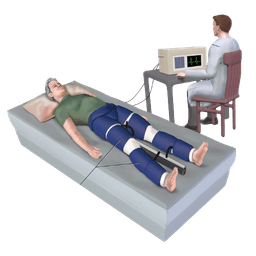
Enhanced External Counterpulsation
Enhanced External Counterpulsation (EECP) is a non-invasive therapy that improves heart blood flow and relieves chest pain in patients with angina or heart.
Cardiology
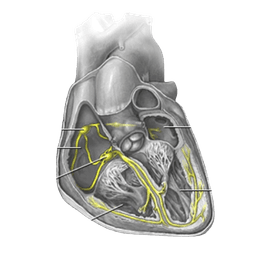
Intracardiac Electrophysiology Study (EPS)
An Intracardiac Electrophysiology Study (EPS) evaluates the heart’s electrical system to diagnose abnormal rhythms and guide treatment decisions.

Cardiology
Nuclear Stress Test
A Nuclear Stress Test evaluates blood flow to the heart during exercise or medication-induced stress, helping detect coronary artery disease accurately.
