Knee Replacement Surgery Abroad: Complete 2026 Guide
Introduction
Knee replacement surgery is one of the most common orthopedic procedures for patients suffering from severe arthritis, injury, or joint degeneration. In recent years, many patients are choosing to undergo knee replacement surgery abroad due to lower costs, advanced robotic techniques, and faster recovery options.
This guide explains everything you need to know before planning knee replacement surgery internationally.
What is Knee Replacement Surgery?
Knee replacement (knee arthroplasty) is a surgical procedure where damaged parts of the knee joint are replaced with artificial implants made of metal and medical-grade plastic.
- It helps restore:
- Mobility
- Pain-free movement
- Joint stability
- Quality of life
Types of Knee Replacement Procedures
- Total Knee Replacement (TKR)
- Entire knee joint is replaced. Best for severe arthritis or major joint damage.
- Partial Knee Replacement (PKR)
- Only damaged part of the knee is replaced. Faster recovery, less invasive.
- Robotic Knee Replacement
- AI/robot-assisted surgery for higher precision and accuracy. Minimizes tissue damage and improves implant alignment.
Who Needs Knee Replacement Surgery?
- You may need surgery if you have:
- Severe knee pain even while resting
- Difficulty walking or climbing stairs
- Knee stiffness and swelling
- Arthritis (osteoarthritis or rheumatoid arthritis)
- Failed physiotherapy or medications
Why Patients Travel Abroad for Knee Replacement
- Medical tourism for orthopedic surgery is growing because:
- Cost savings up to 60–80%
- Access to robotic surgery systems
- Shorter waiting time
- Highly experienced orthopedic surgeons
- Advanced rehabilitation facilities
Popular destinations include India, Turkey, UAE, and Thailand.
Best Countries for Knee Replacement Surgery
- India: Affordable pricing, highly experienced surgeons, and world-class hospitals in major cities.
- Turkey: Modern hospitals, European-standard care, and popular for international patients.
- UAE: Premium healthcare facilities, internationally trained doctors, high comfort, and privacy.
- Thailand: Strong rehabilitation programs and a medical tourism-friendly environment.
Step-by-Step Knee Replacement Process
- Step 1: Diagnosis & Consultation. X-rays, MRI, and physical evaluation are completed.
- Step 2: Treatment Planning. Doctor decides the type of replacement, implant type, and recovery window.
- Step 3: Pre-Surgery Preparation. Includes blood tests, fitness checks, and adjusting medications.
- Step 4: Surgery Day. The procedure takes 1-2 hours under general or spinal anesthesia.
- Step 5: Hospital Recovery. Typically a 2-5 days hospital stay where early physiotherapy begins.
- Step 6: Rehabilitation. Walking support starts within days, with full recovery taking 6-12 weeks.
Cost of Knee Replacement Surgery Abroad
- Costs vary depending on the country and hospital:
- India: $4,000 – $8,000
- Turkey: $7,000 – $12,000
- UAE: $10,000 – $18,000
- USA / UK: $25,000 – $50,000+
India remains the most cost-effective option with high-quality outcomes.
Recovery Timeline
- First week: Walking with support
- 2–4 weeks: Improved mobility
- 6–8 weeks: Daily activities resumed
- 3 months: Near full recovery
Physiotherapy plays a key role in long-term success.
Risks and Complications
- Like any major surgery, risks include:
- Infection
- Blood clots
- Implant wear over time
- Stiffness if rehab is ignored
Choosing an experienced surgeon reduces these risks significantly.
Tips Before Traveling for Surgery
- Carry all medical reports and scans
- Choose accredited hospitals (JCI, NABH)
- Confirm surgeon experience
- Plan recovery stay (minimum 2–3 weeks)
- Arrange post-surgery physiotherapy support
How CureU Helps Patients
- CureU simplifies knee replacement planning by:
- Connecting patients with top orthopedic surgeons
- Offering cost comparisons across hospitals
- Arranging travel, visa invitations, and accommodations
- Supporting post-surgery follow-ups
Conclusion
Knee replacement surgery abroad offers a powerful combination of affordability, advanced technology, and expert care. With proper planning and the right hospital, patients can regain mobility and live pain-free lives.

Mr. Asif Khan Azmi
AuthorCo-Founder & Managing Director, CureU Healthcare Pvt. Ltd.
"Experienced healthcare professional and entrepreneur with over 10 years of experience in Medical Tourism and 16 years of overall leadership, dedicated to patient-centric medical travel."
View Full Profile →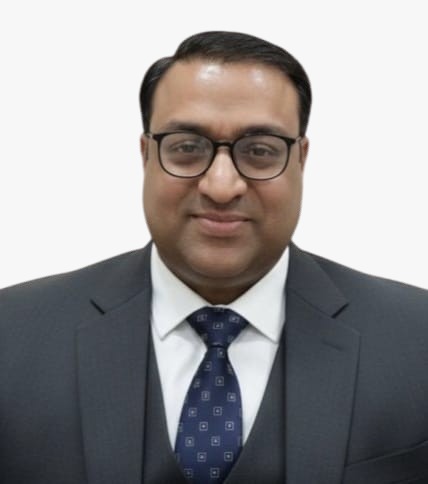
Dr. Mohammad Shavez
ReviewerB.U.M.S, M.D. (NAT) | Reg No. 9153 | Ex. Secretary & Treasurer, N.I.M.A.
"CureU medical advisory panel reviewer."
View Full Profile →